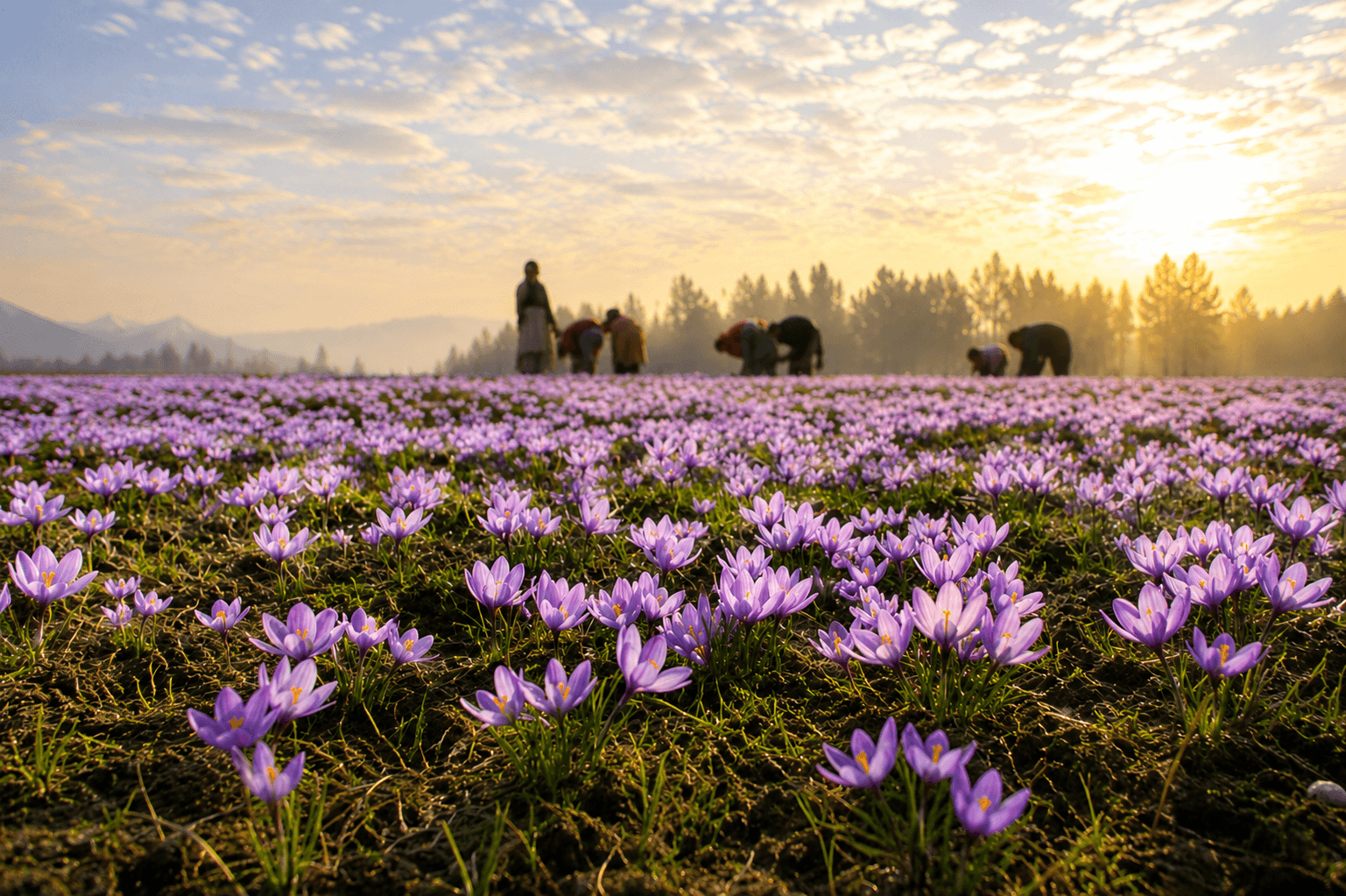
Pampore · Kashmir
Kashmiri Mongra saffron, straight from our fields.
- ISO 3632 Grade I saffron
- GI-Tag Certified
- Direct from our farmers
- FSSAI Registered
Recognition
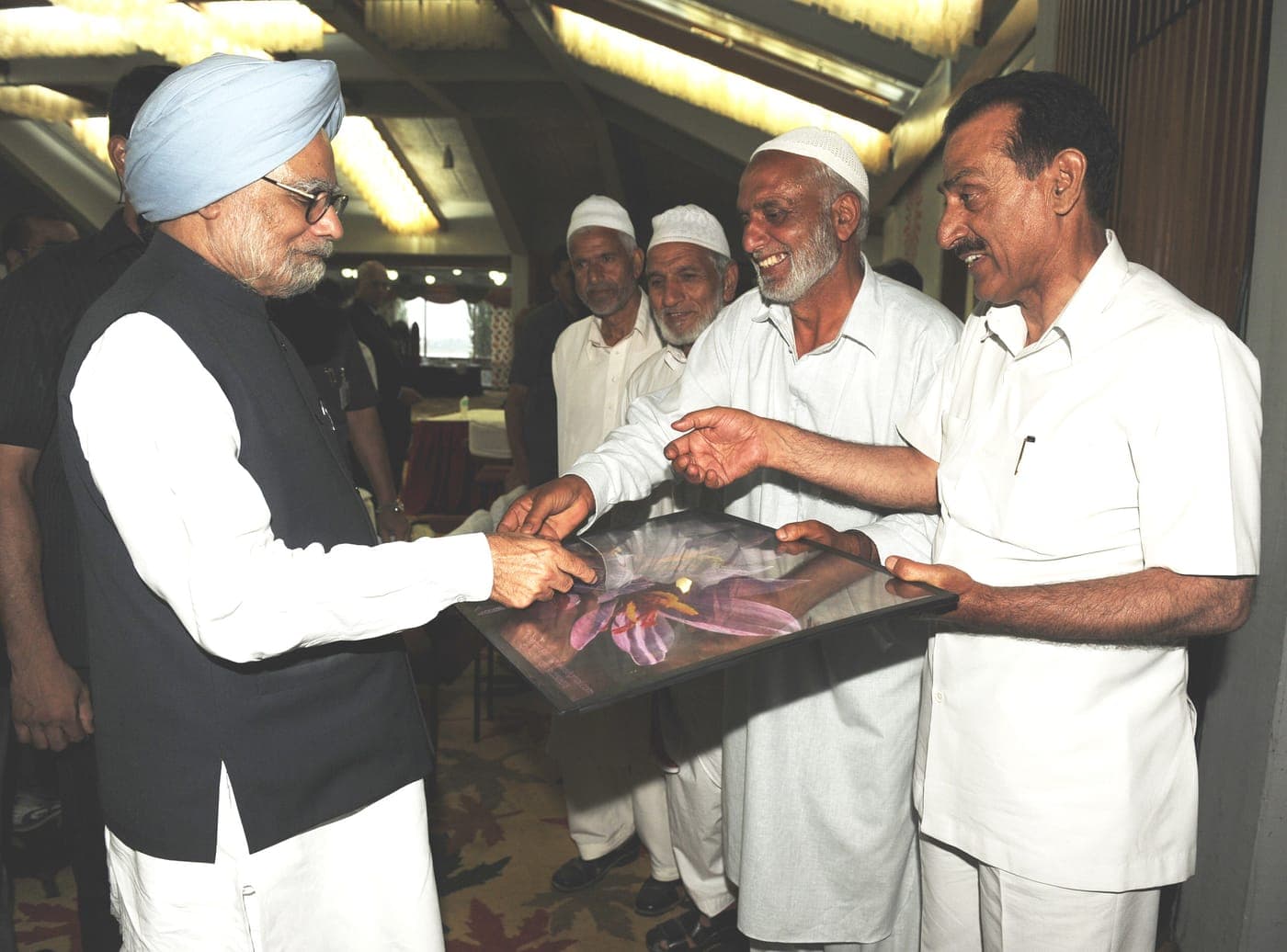
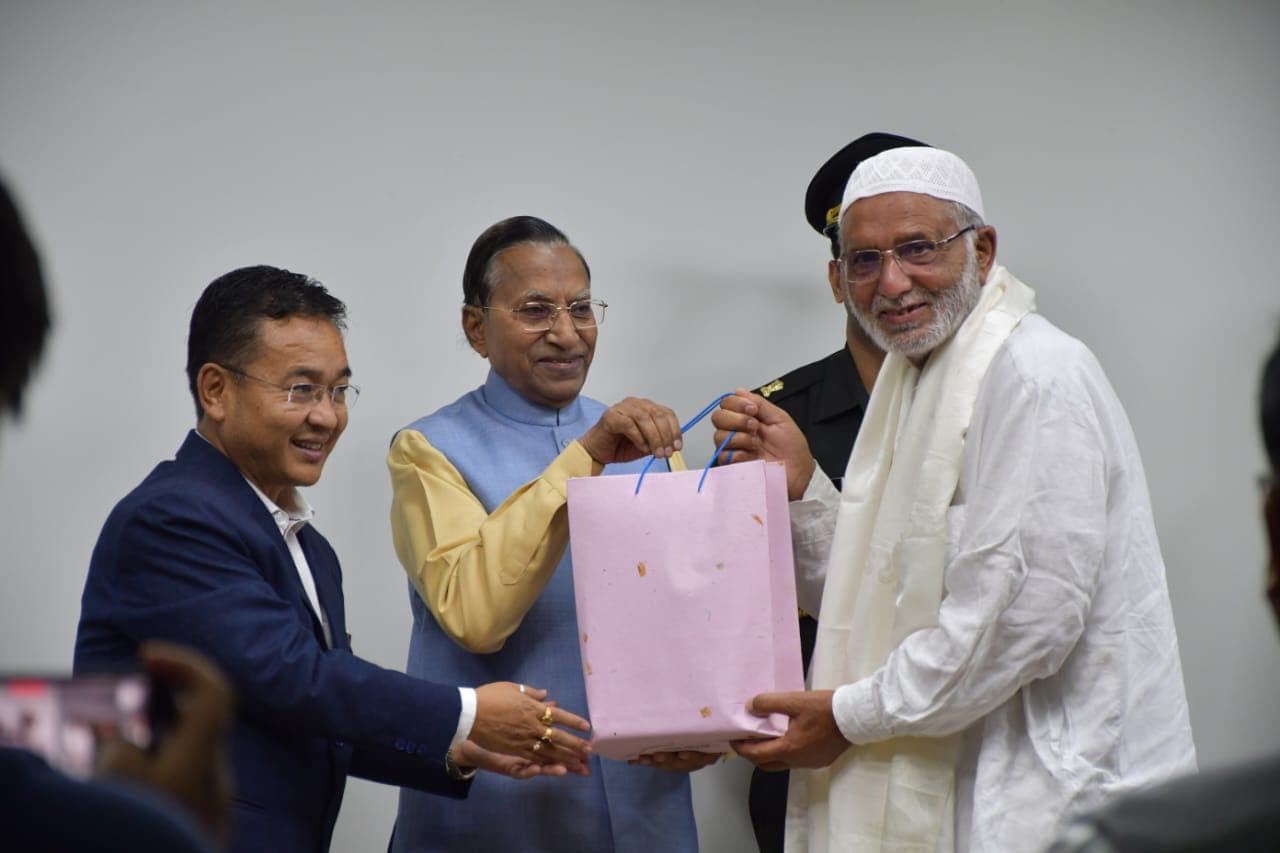
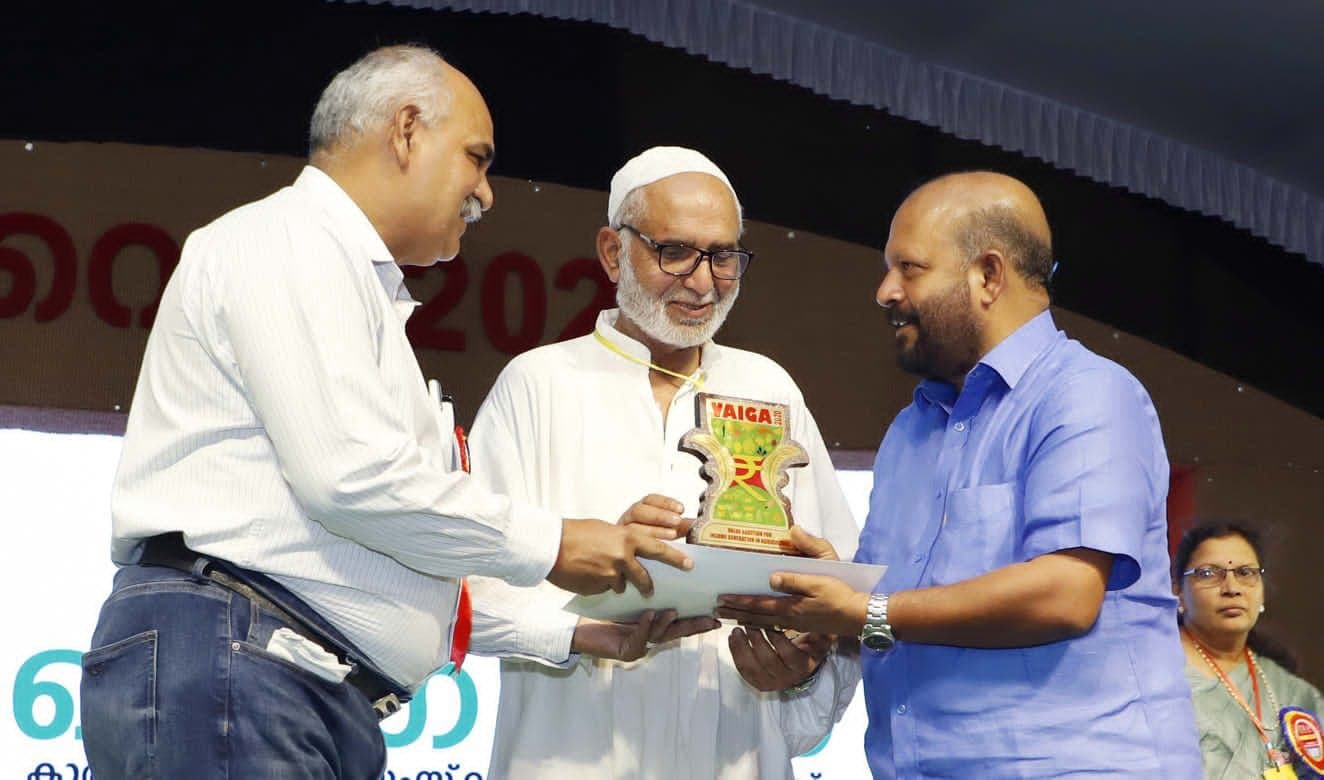
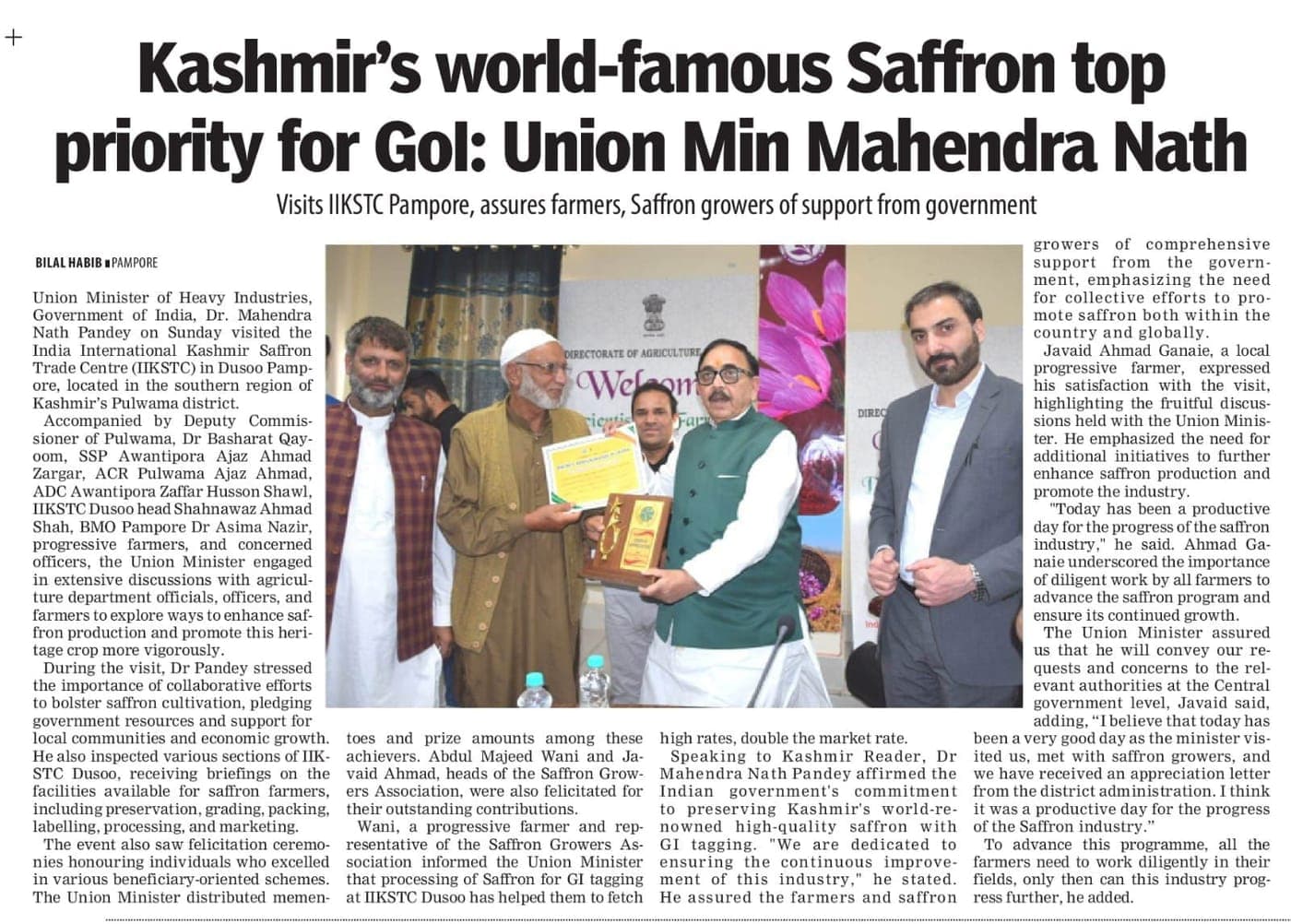
Honoured by leaders, ministers & the press

02 The range
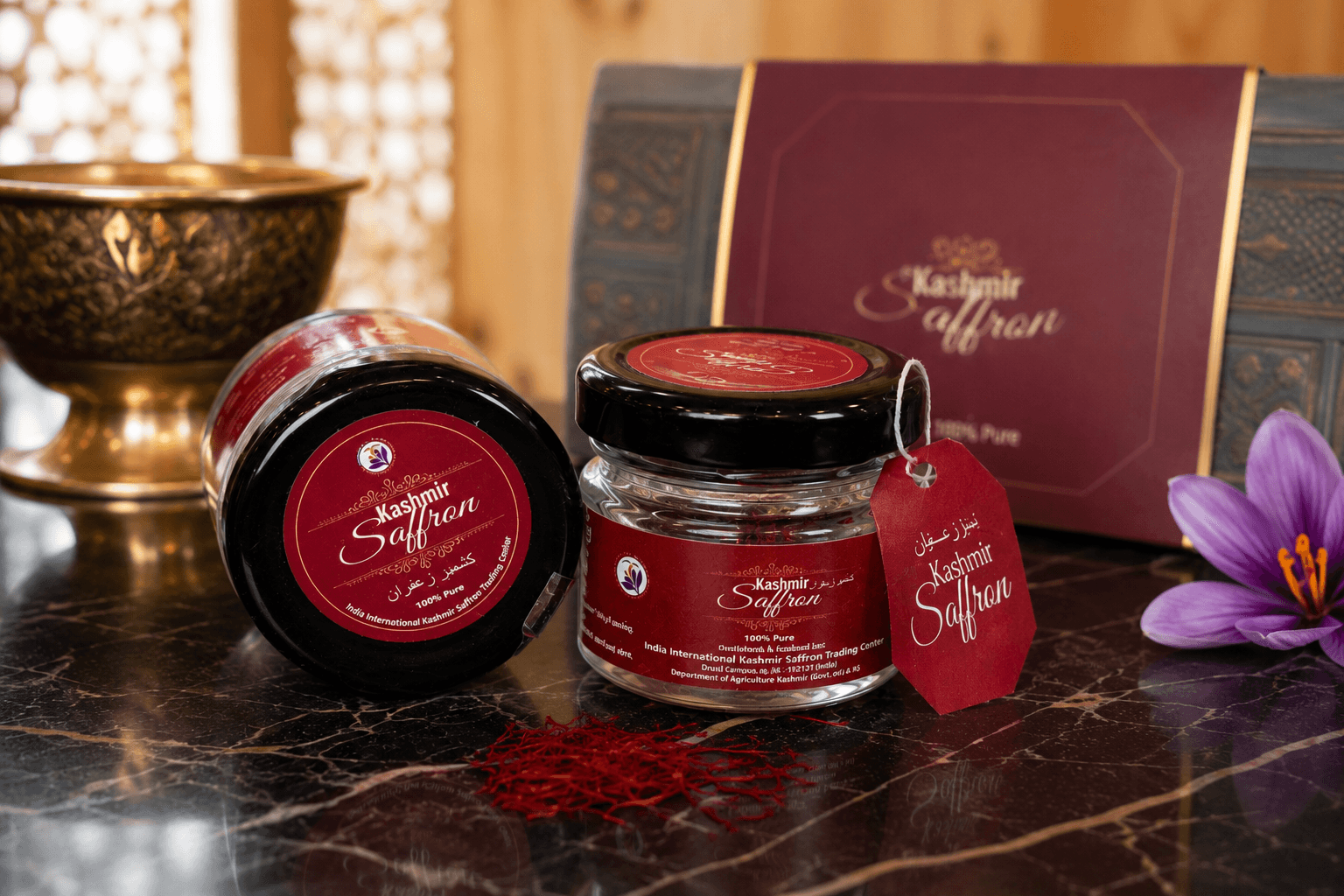
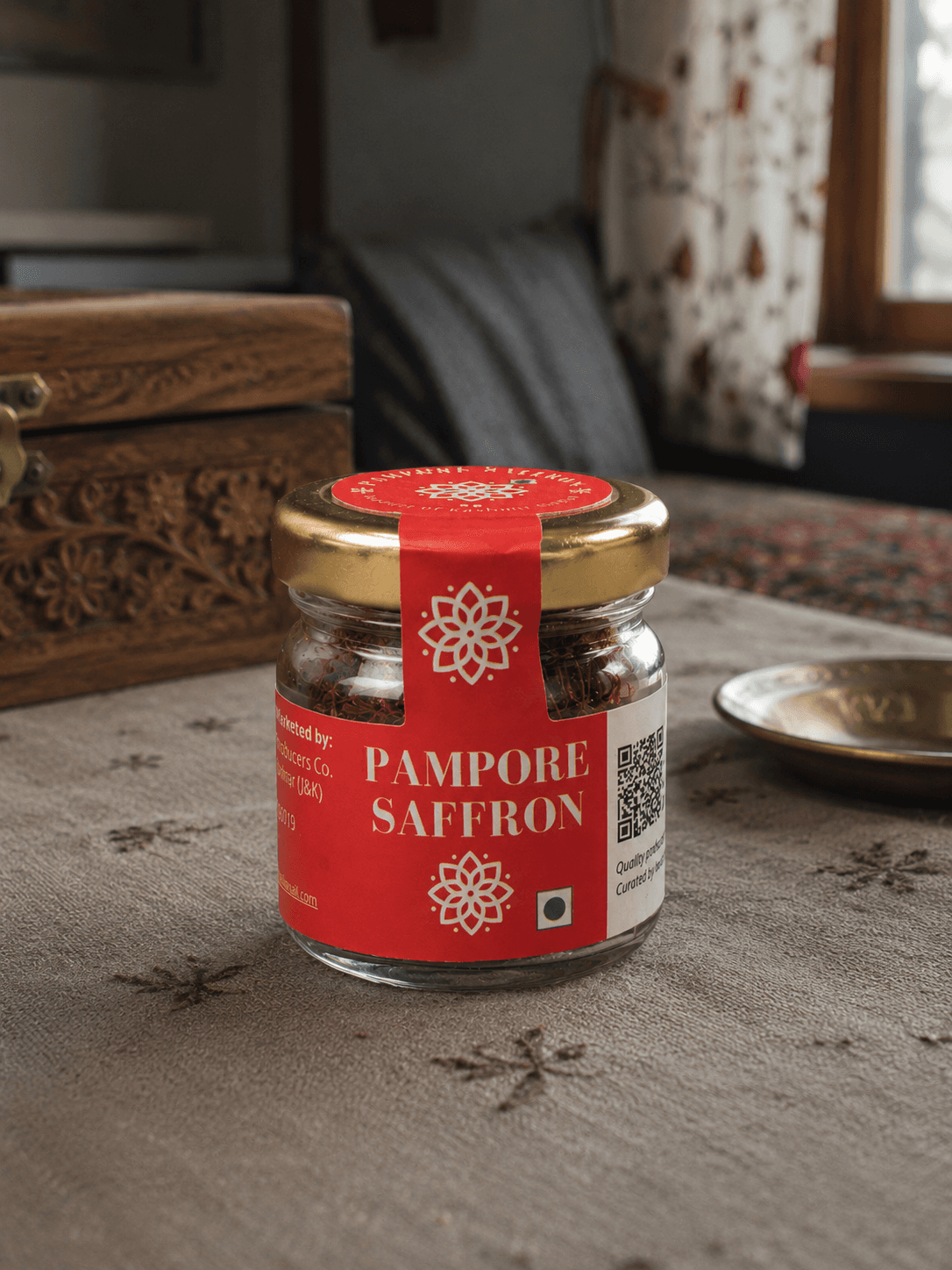
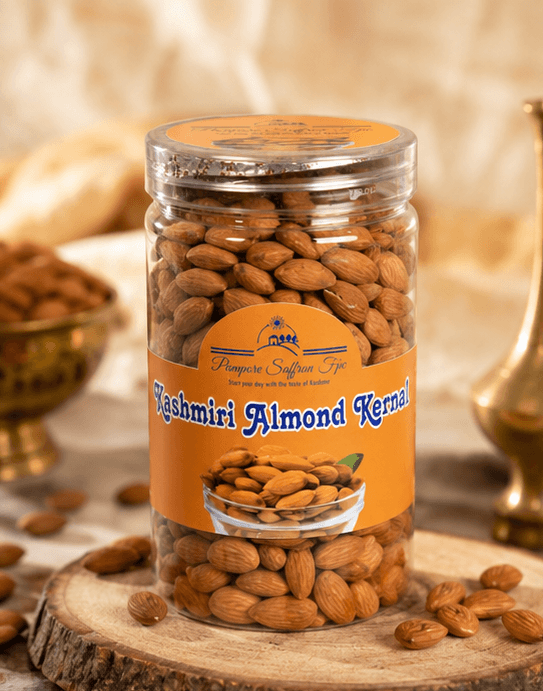
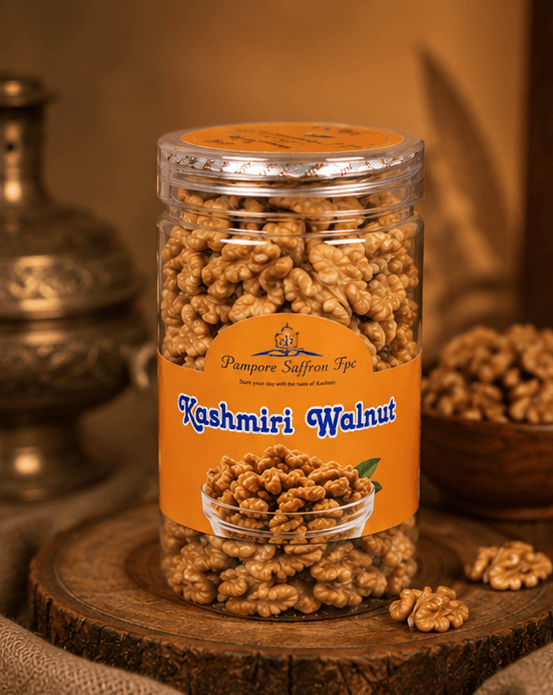
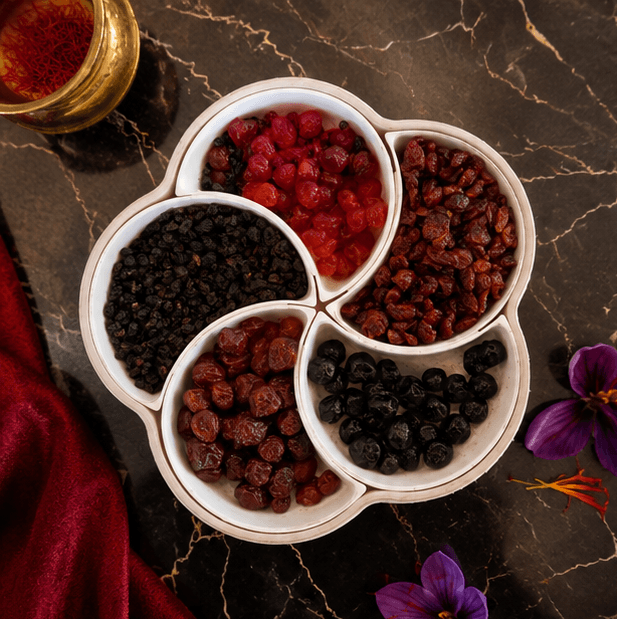
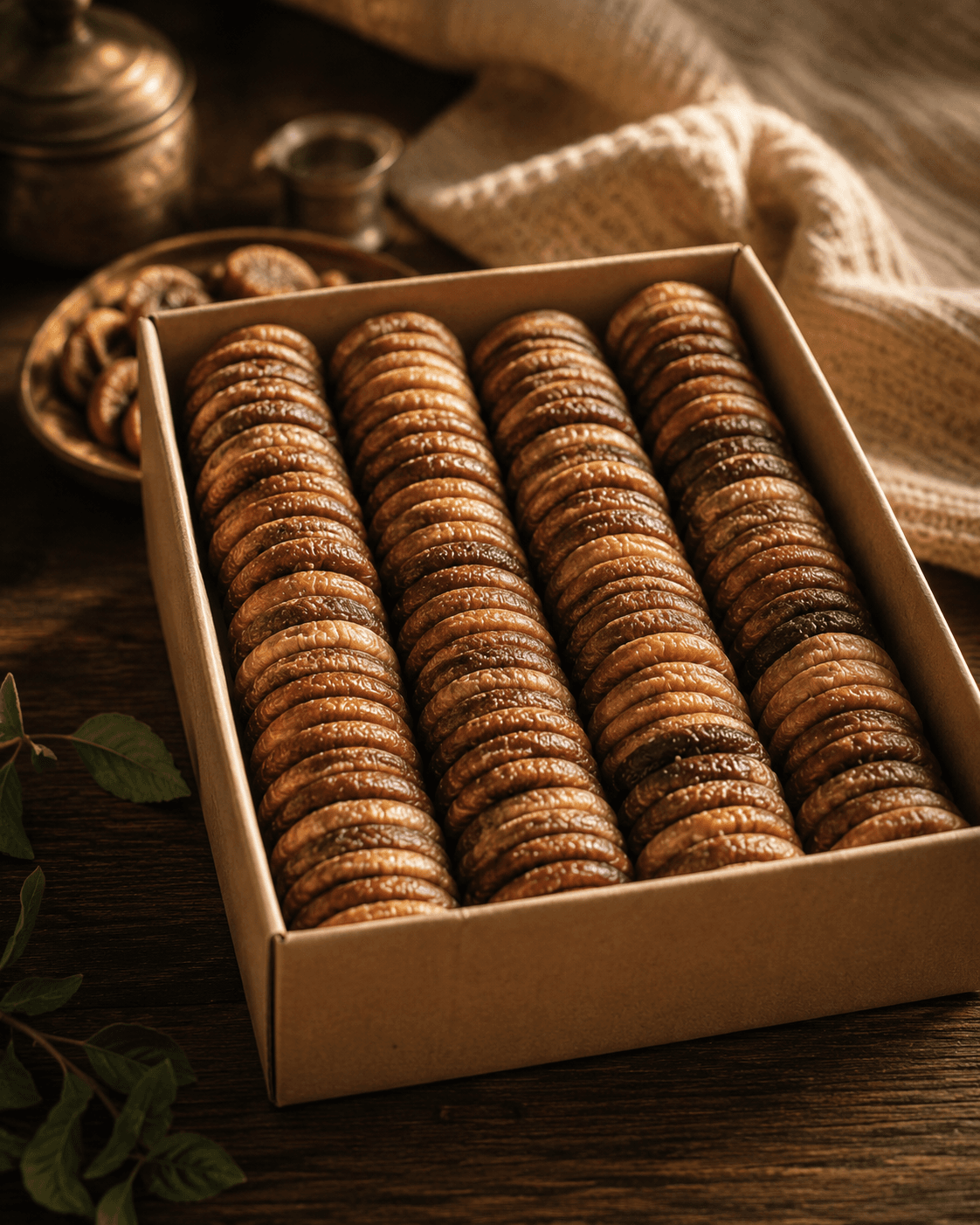
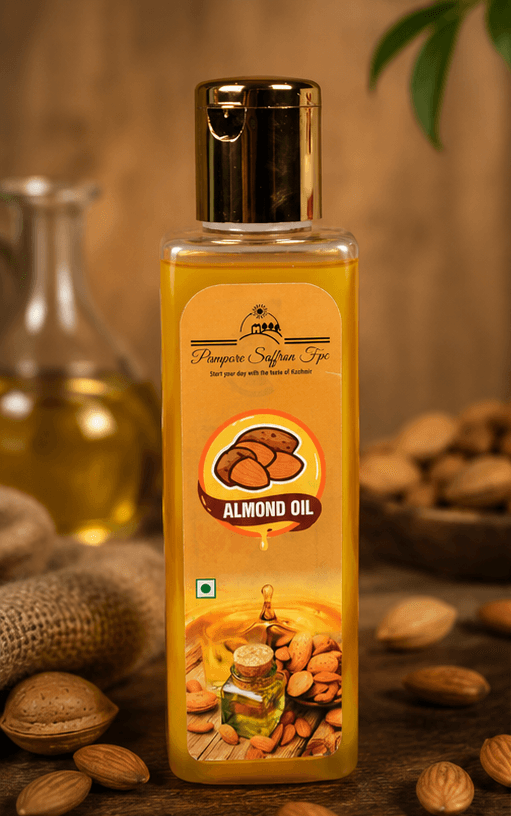
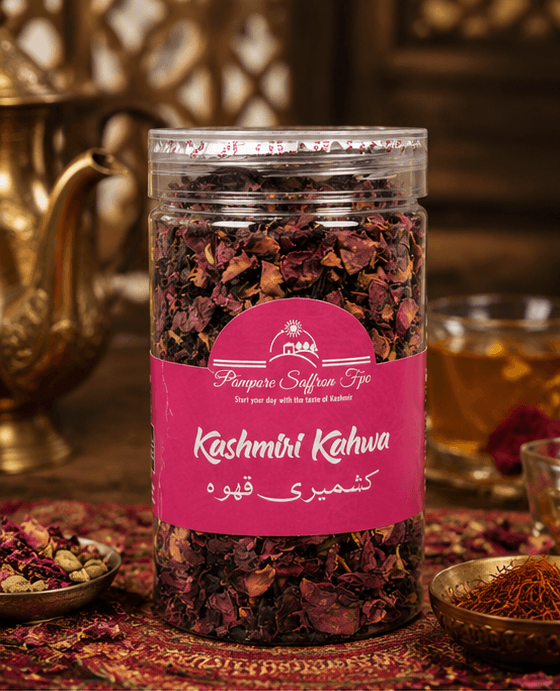
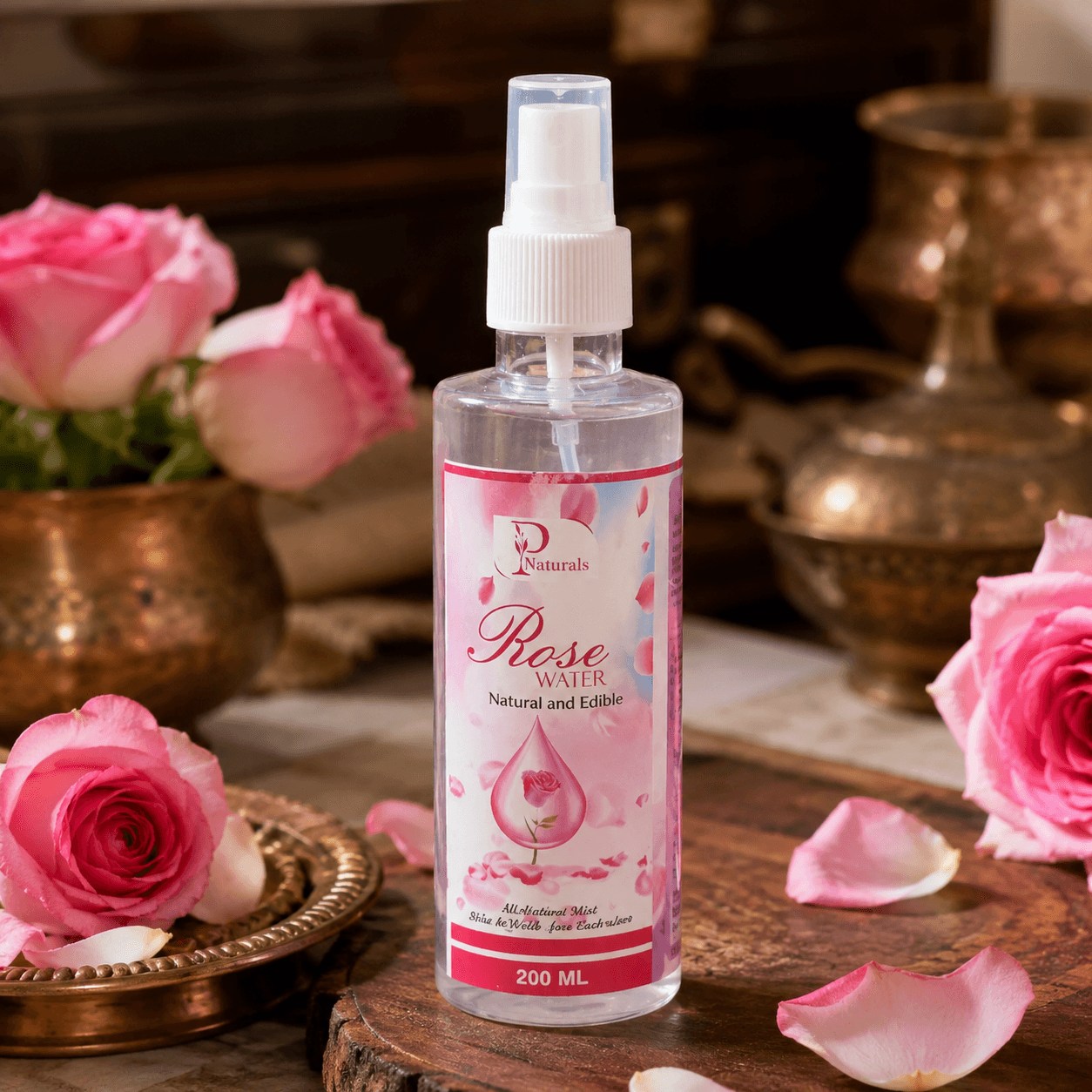
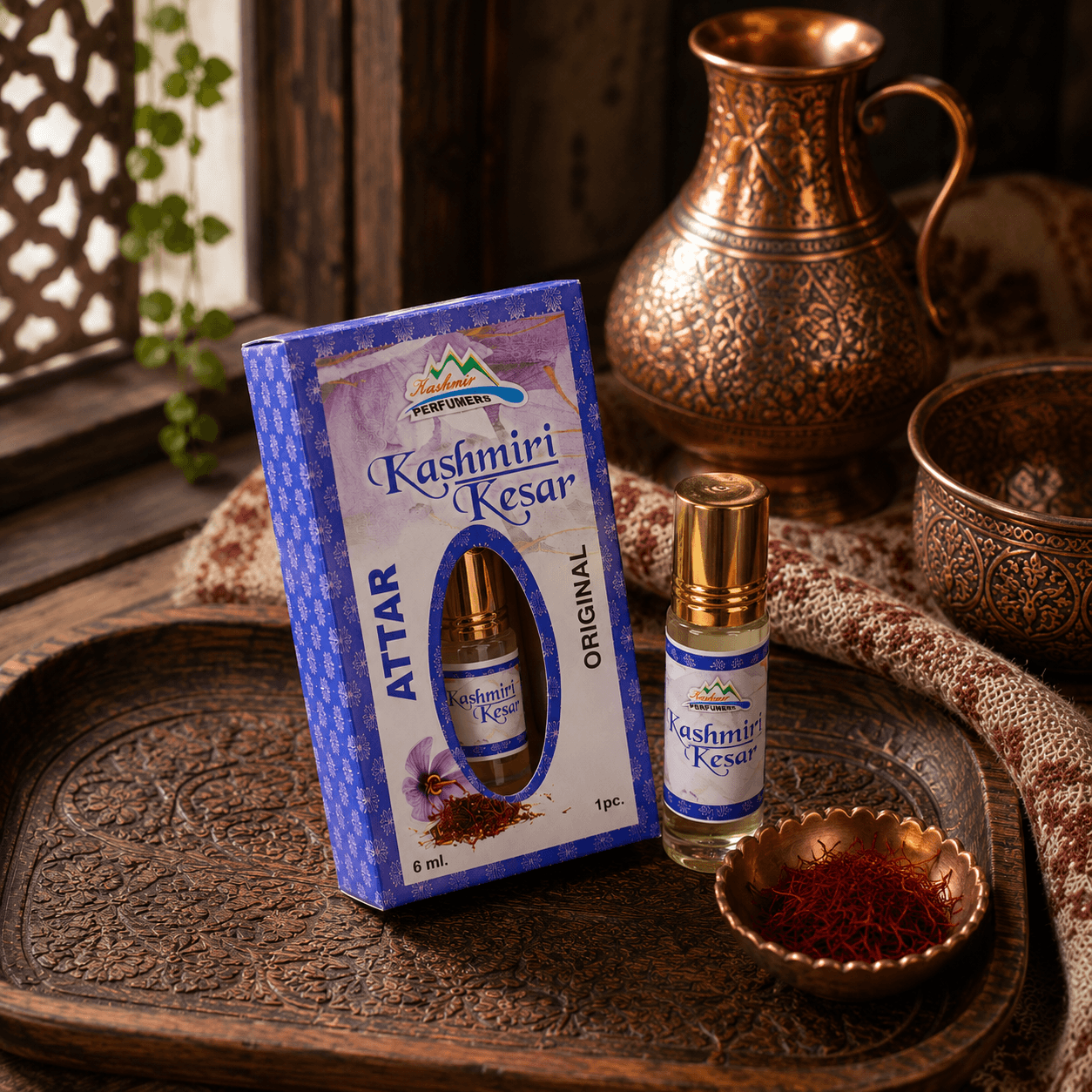
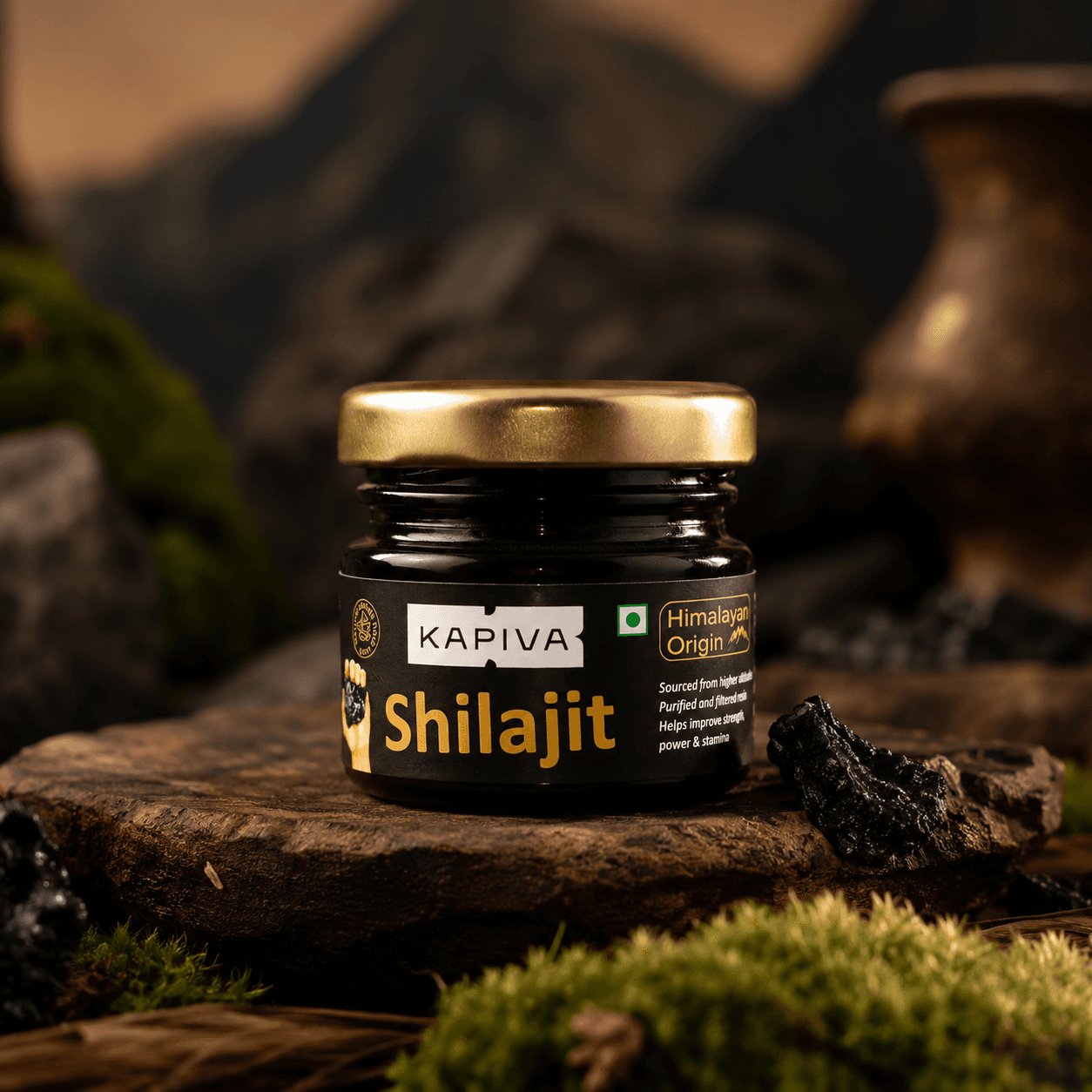
Saffron, dry fruits, oils, honey & more
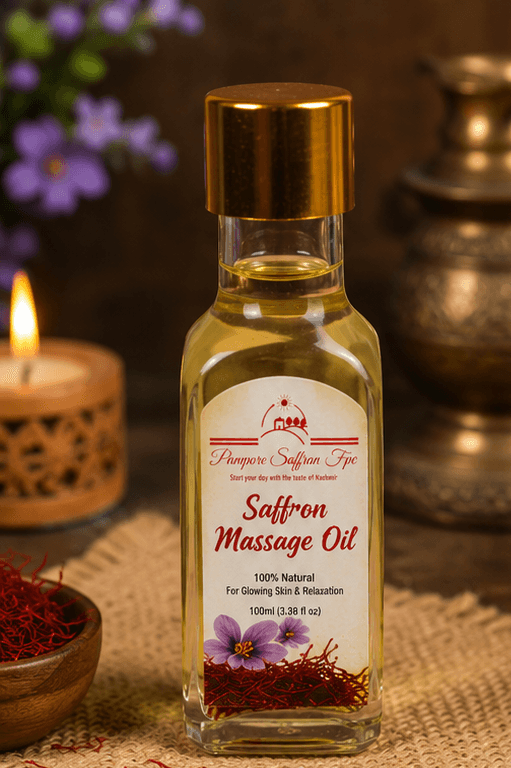
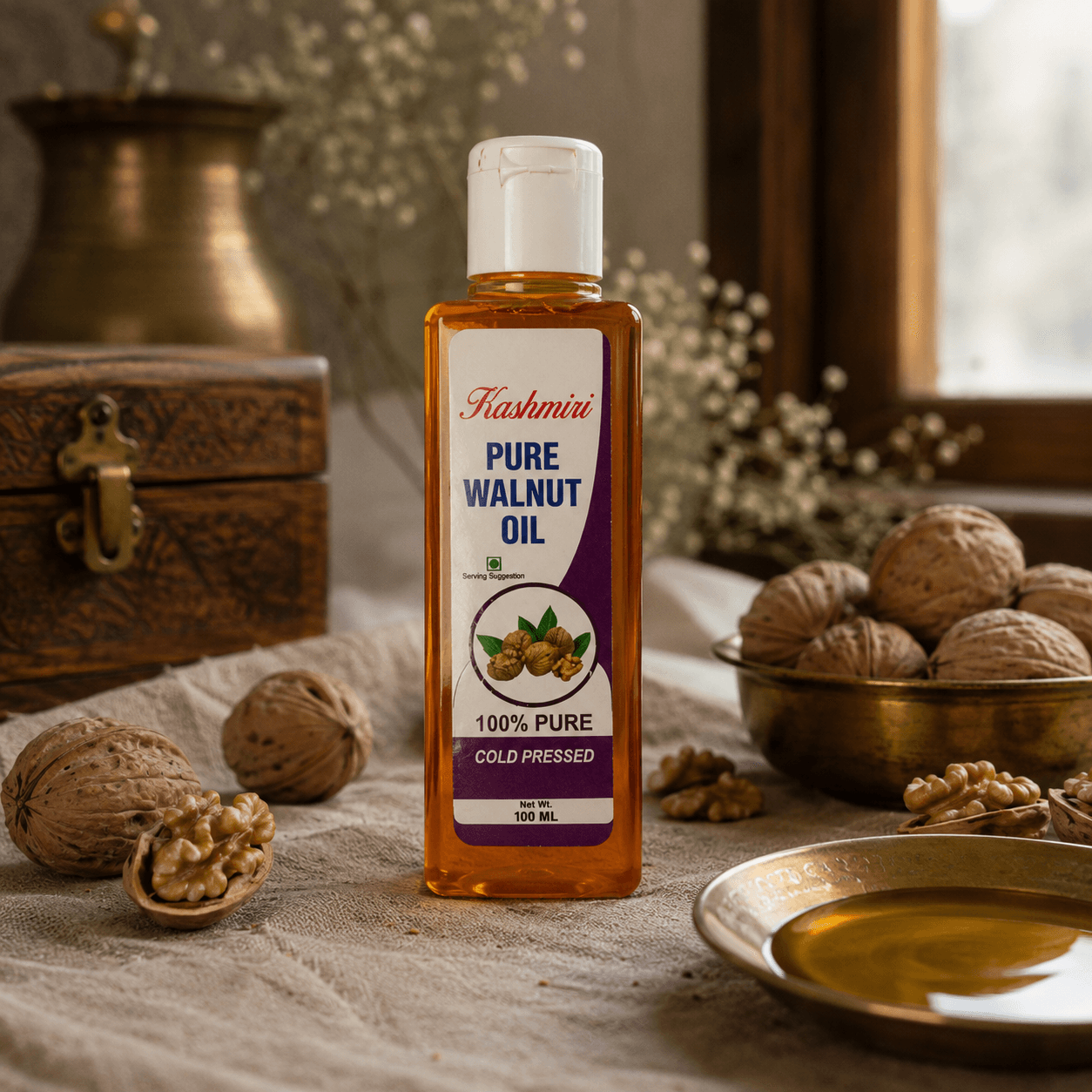
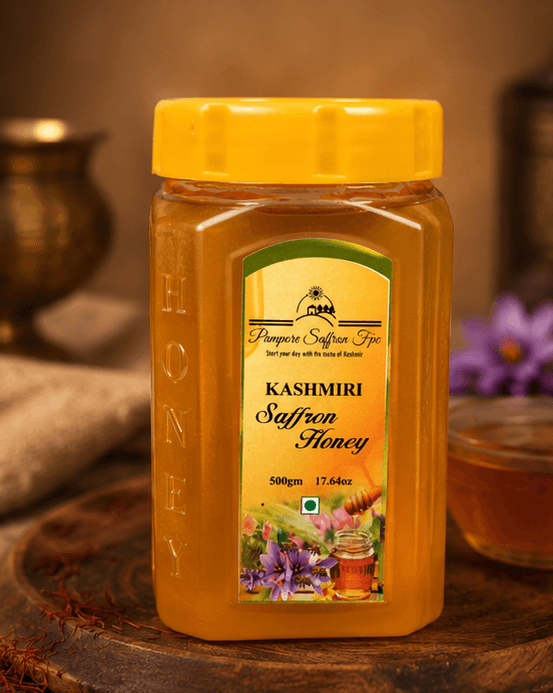
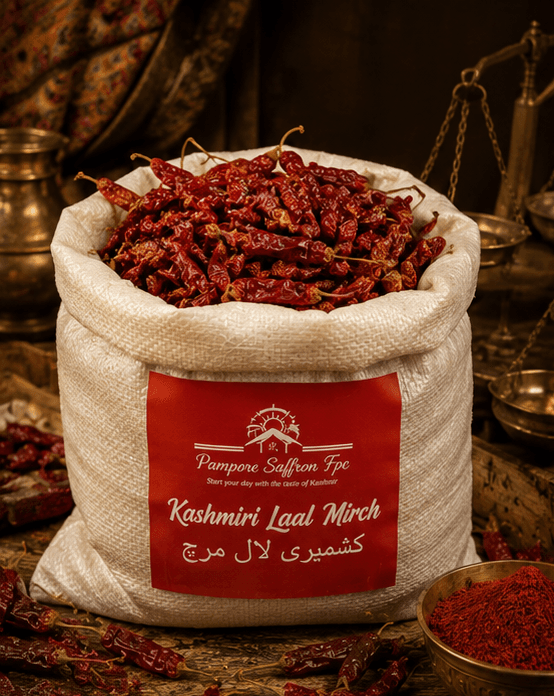
03 What buyers say
Finally, saffron they can trust
Verified buyers
04 Before you buy
Questions, answered
How do I know your Kashmiri saffron is real and pure?
Every order ships with an ISO 3632 grade card and a batch code you can verify on this site, plus the harvest date. Do the home water-bloom test — genuine saffron releases its crimson colour slowly (over minutes, not instantly), the threads stay whole, and it smells of honey and hay, never bitter or chemical.
Is this Kashmiri or Iranian saffron?
100% Kashmiri Mongra — the all-red stigma variety grown in our own family fields in Pampore. We never blend it or re-pack cheaper Iranian saffron. Kashmiri Mongra is prized worldwide for its deep crocin (colour), safranal (aroma) and thicker threads.
What does ISO 3632 Grade I mean?
ISO 3632 is the international lab standard that grades saffron on colour (crocin), aroma (safranal) and flavour (picrocrocin). Grade I is the highest category. Our saffron is independently tested and each jar carries its grade card — so purity is measured, not just claimed.
What is GI-tagged (Geographical Indication) saffron?
Kashmir saffron carries India’s GI tag, a government certification that legally protects its origin — only saffron genuinely grown in the Kashmir valley (Pampore, Pulwama, Budgam, Kishtwar) can be called Kashmiri saffron. It cannot be blended or re-packed with imported stigma and still carry the tag.
How do I do the water test at home?
Drop 4–5 threads into warm (not hot) water or milk and wait. Real saffron sinks, keeps its shape, and slowly bleeds a golden-crimson colour over 10–15 minutes — the water turns yellow-gold, never red. Fake or dyed saffron colours the water instantly and the threads crumble or lose colour.
How much saffron should I use, and how long does a jar last?
A pinch — 8–10 threads — is enough for most dishes: biryani, kheer, kahwa or badam milk. Steep the threads in a little warm milk or water for 10 minutes first to release the full colour and aroma. A 5g jar holds roughly 2,500 threads — months of regular use for most kitchens.
How should I store saffron to keep it fresh?
Keep the jar sealed, away from light, heat and moisture — a cool, dark cupboard is ideal, not the fridge. Stored well, Grade I saffron holds its colour and aroma for over two years. Our jars are tamper-sealed and amber/opaque to protect the threads.
What are the benefits of Kashmiri saffron?
Traditionally valued for mood, digestion and skin, saffron is rich in antioxidants like crocin and safranal. It’s used in warm milk for skin glow, in kahwa for winter warmth, and a few threads a day is the usual culinary amount. For medical or pregnancy use, please consult your doctor.
Why is genuine Kashmiri saffron more expensive?
Real Kashmiri Mongra is one of the world’s rarest spices — hand-harvested flower by flower, with roughly 150,000 flowers needed for a single kilo. You’re paying for graded purity, traceability and proof, not a label. Suspiciously cheap “Kashmiri” saffron is almost always blended, dyed or imported.
How is it delivered? Is cash on delivery available?
We ship prepaid across India via DTDC, tamper-sealed and carefully packed to avoid breakage, usually dispatched within 24–48 hours. We’re prepaid-only for now — it keeps prices honest, packaging premium, and every order traceable. For bulk or gifting, message us on WhatsApp.
Real Kashmir. Verifiable Purity.
Taste the difference real saffron makes
Start with the 5 g hero pack — graded, traceable, and backed by our authenticity guarantee.
Shop Now · ₹1,750